
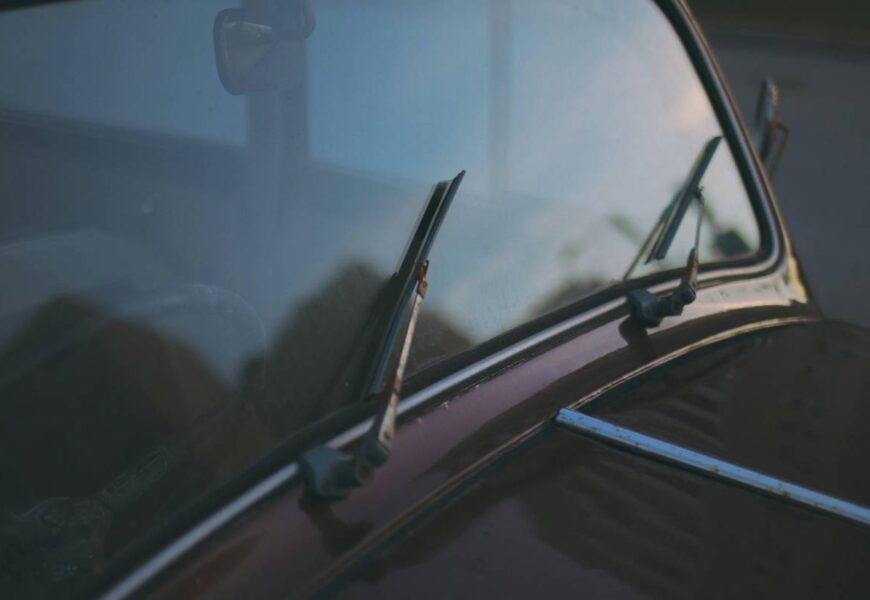
As the rainy season sets in, it’s crucial for drivers to perform regular checks on their vehicle’s safety equipment. One of the most underrated yet vital components during wet weather is the windshield wiper. Often overlooked, wiper blades can deteriorate faster than expected—especially in hot and humid climates like Thailand. If your wipers are worn out, your visibility on the road could be seriously compromised, increasing the risk of accidents.
In this article, we’ll explore the 5 warning signs that your windshield wipers are nearing the end of their lifespan, and why it’s essential to replace them promptly.
5 Warning Signs Your Windshield Wipers Are About to Fail
1. Wipers Leave Streaks or Smears on the Windshield
The most immediate and visible sign of deteriorating wiper blades is their inability to wipe the windshield clean. If you notice streaks, smudges, or a thin film of water left behind after the wipers have passed, it’s likely that the rubber has hardened or cracked. This creates uneven pressure on the glass and fails to clear rain properly, especially dangerous during nighttime driving or heavy storms.
You can easily test this by activating your washer fluid and observing how the wipers behave. Clear, smooth wipes indicate good condition; anything less suggests it’s time to replace them.
2. Strange Squeaking or Chattering Sounds
Another clear indicator that your windshield wipers are due for a replacement is unusual noise during operation. Sounds like squeaking, screeching, or chattering mean the rubber has likely become too stiff or damaged to glide smoothly over the glass.
This not only creates an irritating driving experience but may also cause scratches on your windshield if the rubber peels away, exposing the metal or plastic frame beneath. It’s a small issue that could lead to a costly repair if ignored.
3. Wipers Skip or Stutter Across the Glass
A healthy wiper blade should move smoothly across the windshield. However, if it begins to skip, jump, or jerk, this is a sign that the rubber is no longer making consistent contact with the glass surface.
This uneven wiping action can create gaps in visibility and be especially hazardous during heavy downpours. It can also strain the wiper motor, leading to mechanical failure if left unaddressed. Consistent skipping calls for immediate replacement of the blades.
4. Visible Wear and Tear on the Rubber
You don’t always need to wait for functional issues to arise before checking your wipers. In fact, a quick visual inspection can help you catch problems early. Lift the wiper arm and inspect the rubber edge.
Watch out for:
- Cracks or splits in the rubber
- Pieces of rubber missing or flaking off
- Hardened or brittle texture when touched
You can also try gently pressing on the rubber. New blades should feel flexible and soft. If they feel stiff or uneven, it’s a good sign they’ve lost effectiveness.
5. Wipers Are More Than 6-12 Months Old in Hot Climates
In regions like Thailand where the climate is hot and humid—and sudden rainstorms are common—wiper blades can degrade more quickly than expected. While the typical rule of thumb for changing wiper blades is every 12 months, in hot-weather countries, you should check every 6 months.
The high UV exposure and extreme heat can cause rubber to dry out and crack sooner. If you’re unsure how long it’s been since your last wiper change, a semi-annual check is a safe routine to adopt.
Additional Tips for Maintaining Your Wiper Blades
To extend the life of your windshield wipers, consider the following maintenance practices:
- Keep the windshield clean – Dirt and debris can wear down the rubber prematurely.
- Don’t use wipers on a dry windshield – Always activate the washer fluid first to avoid friction damage.
- Lift wipers in extreme heat – When parked in direct sunlight, lifting the blades off the windshield can prevent the rubber from sticking to hot glass.
- Clean the rubber strip regularly – Use a damp cloth to remove built-up grime and particles.
Why Timely Wiper Replacement Matters
Some drivers may underestimate the importance of replacing windshield wipers promptly. However, functioning wipers are not just a convenience—they’re a critical safety feature. Poor visibility is one of the leading causes of weather-related accidents. It takes only a few seconds of reduced sightlines for a dangerous situation to unfold.
Here’s what can happen if you delay wiper replacement:
- Reduced visibility during rain or snowstorms
- Increased risk of collisions due to misjudging distance or obstacles
- Possible windshield damage from exposed metal or torn rubber
- Higher repair costs if motor strain or glass scratches occur
Driving with failing wipers in heavy rain is like driving blind. For the cost of a simple replacement—often under $30—you can dramatically increase your driving safety.
How to Choose the Right Wipers
When replacing your blades, ensure you’re selecting the right type and size for your vehicle. There are several blade types to consider:
- Conventional frame-style wipers – Most common and affordable.
- Beam blades – Offer better pressure distribution and performance.
- Hybrid blades – Combine traditional frames with aerodynamic covers.
Your vehicle’s manual should specify the correct size, or you can consult an auto parts store where staff can assist.
Conclusion: Don’t Wait Until It’s Too Late
Windshield wipers are easy to forget—until the moment you need them most. Whether you’re commuting to work, picking up your kids, or heading out on a road trip, don’t let worn-out blades become a hazard.
Keep an eye out for the five warning signs:
- Streaks or smears on the glass
- Unusual squeaking or scraping sounds
- Skipping or jumping motion
- Cracked or stiff rubber
- Age beyond 6-12 months (especially in tropical climates)
By staying proactive, you’ll keep your vision clear and your drive safer—rain or shine.
Drive safe. Change your blades. And always keep your eyes on the road—literally and figuratively.